Your last paycheck: the 72-hour rules
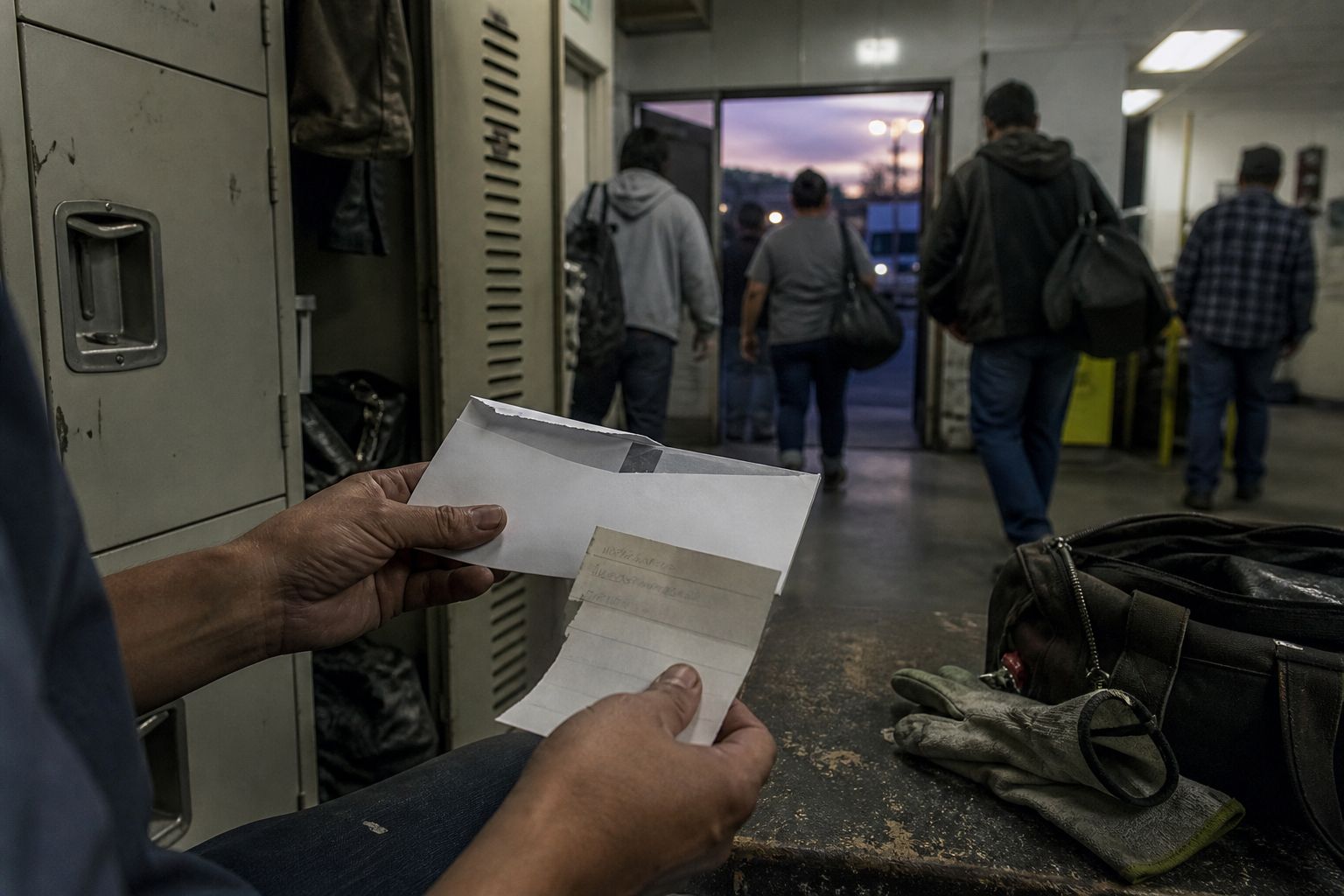
California treats the final paycheck as an emergency, with deadlines measured in hours — and a penalty that pays you a full day’s wages for every day the employer is late, up to thirty.
First, three facts. If you are fired, final wages are due immediately — at the termination, not “next payroll.” “Final wages” includes your accrued, unused vacation and PTO, which are earned wages that never expire. And lateness has a price the Legislature set deliberately high: your daily wage, per day of delay, for up to thirty days.
1 · The deadlines, sorted
Fired or laid off: everything is due at the time of termination.1 The exit meeting where HR collects the laptop and promises the check “in the next cycle” is describing a violation, politely.
You quit without notice: due within seventy-two hours.2
You quit with seventy-two hours’ notice or more: due on your last day.
What “everything” means: all earned wages through the end — final hours, overtime, accrued vacation and PTO at your final rate, earned bonuses and determinable commissions. Commissions that genuinely cannot be computed yet are due when they can be; that is a timing rule, not a forgiveness program.3
2 · The waiting-time penalty
Willful failure to pay on time continues your wages as a penalty — a day’s pay for each day late, to a maximum of thirty days.4 The arithmetic is worth doing once: for most full-time workers the maximum penalty exceeds a month’s salary, which is frequently more than the wages that were late. “Willful” means intentional nonpayment, not malice; a genuine, good-faith dispute over whether wages were owed can defeat the penalty, but “payroll runs on Fridays” is not a dispute — it is an admission with a schedule.
Two amplifiers from elsewhere in the library: unpaid meal and rest premiums are wages, so shorting them at separation extends this penalty to money most employers never connected to it; and the same is true of the vacation balance that quietly vanished under an illegal “use it or lose it” policy.
3 · The common shortfalls
The vacation balance zeroed out by policy — caps on accrual are lawful; forfeiture is not. The final check mailed “when we get to it” after a firing. The commission plan reinterpreted at exit to make the pipeline worthless — plans are read against drafters, and earned means earned. The “we’ll pay you when you sign” maneuver — conditioning undisputed final wages on a severance release is unlawful, full stop, and it converts a paperwork moment into a claim.5
4 · What to do, in order
Note the date and time employment ended, and how the final pay arrived — date, amount, what it included. Compare against your own numbers: last stub’s vacation balance, hours in the final period, commissions in flight. If something is missing or late, ask once, in writing, for the specific amount and the statute’s deadlines — polite, dated, complete. Then let the response, or the silence, become the record. This is among the cleanest claims California law offers a worker: the deadlines are bright lines, the penalty computes itself, and the defense is usually a calendar excuse the statute already rejected. If your last check is late, light, or being held hostage to a signature, write to us with the dates — this one, we can usually assess in a single conversation.
Notes
- Lab. Code §201.
- Lab. Code §202.
- Lab. Code §227.3 (vacation as earned wages); commission timing follows computability.
- Lab. Code §203.
- Lab. Code §206.5; see our severance guide.
Related writing: The severance agreement on your kitchen table · Reading your wage statement
This article states California law as of its revision date and is analysis, not legal advice. Reading this site does not create an attorney-client relationship. Attorney advertising.