The field guide: garment workers
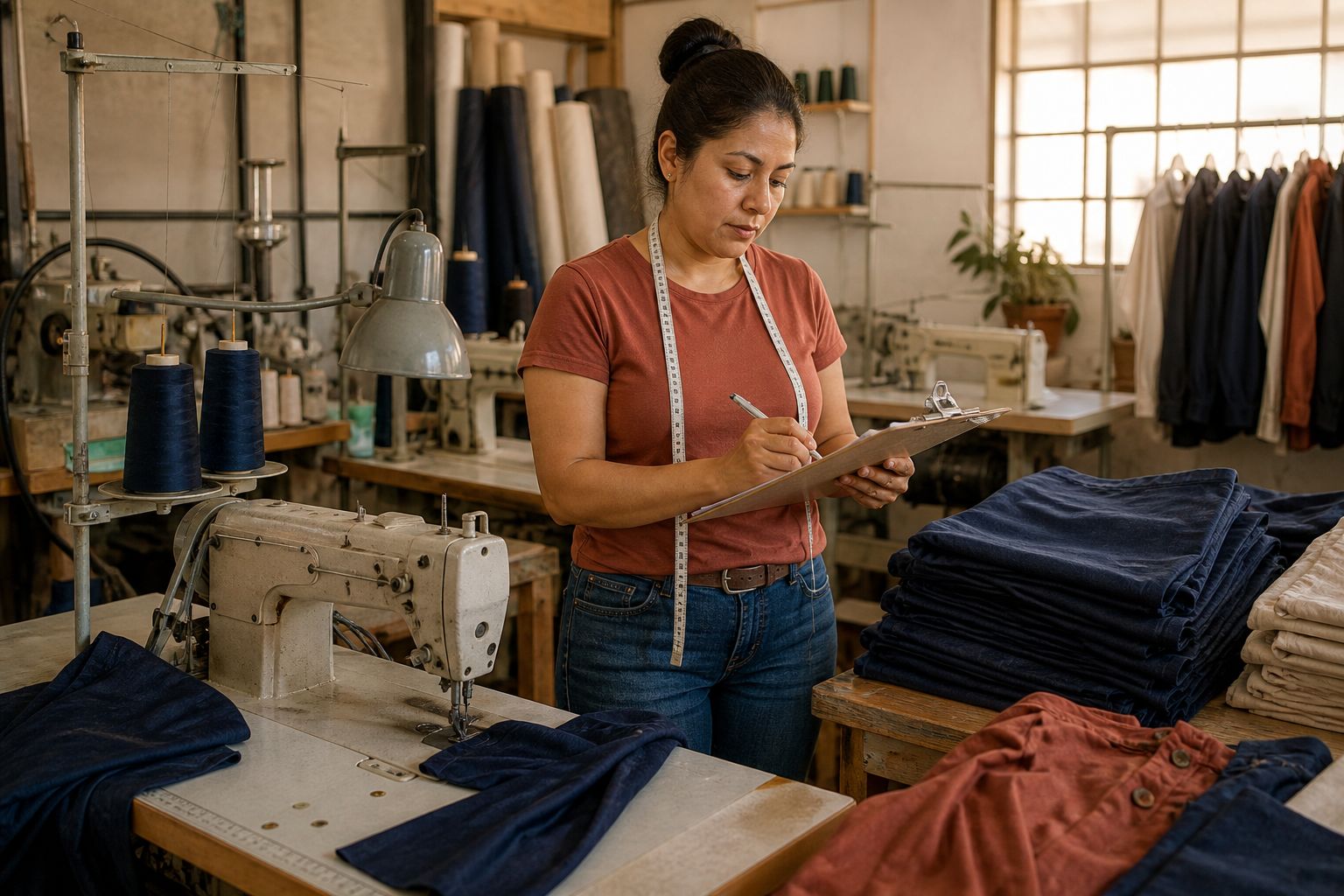
In 2022 California banned piece-rate pay in garment work and made fashion brands guarantors of the wages owed in their supply chains. The sewing floor now has the strongest wage-collection architecture in the state — built because the industry earned it.
1 · Piece rate is over; the hourly floor is the law
The Garment Worker Protection Act ended the per-piece pay that defined the industry: garment employees must be paid at least the applicable hourly minimum wage, and paying by the piece — the per-collar, per-seam ticket system — is itself unlawful, with statutory damages owed to the worker for every pay period it continues.1 If your pay still arrives as a stack of tickets multiplied by cents, each check is a violation on its face. All the general machinery stacks on top: overtime after eight, meal and rest premiums, wage statements that satisfy the annotated-stub test, final-pay deadlines.
2 · The brand is on the hook
The act’s structural move was aimed up the chain: fashion brands and retailers that contract for garment production — through however many layers of contractors — are guarantors for the workers’ unpaid wages and damages.2 The shop that closes overnight, reopens under a cousin’s name, and leaves three weeks of wages behind is an old industry trick; the guarantee provision was written for exactly it. The label in the garment you sewed is not just a logo. It is a defendant’s name, and claims can be pursued through the Labor Commissioner’s dedicated process or in court.
3 · The shop-floor rules that still get ignored
Registration: garment manufacturers and contractors must register with the state; an unregistered shop is a violation before the first seam. Recordkeeping obligations are strict, and gaps count against the employer — your own notebook of days, hours, and units fills them with legal force. Homework — bundles sewn at home, off the books — sits under its own restrictions. And the heat, bathroom, and rest realities of cutting rooms run through the same Cal/OSHA and premium-pay rules as every other floor in this library.
4 · Patterns to examine
Tickets instead of hours. Sub-minimum effective rates that the ticket math was designed to hide. Cash pay with no statements — remember that the absence of records is the employer’s legal problem and your evidentiary opportunity. Unpaid final weeks when a shop folds — the guarantor provision’s home case. And retaliation in its blunt local forms: hours cut, bundles reassigned, the quiet word that complainers get no work — all of it actionable under the frameworks this site maps, none of it dependent on immigration status.
5 · Your paper trail
Keep the tickets — the instrument of the violation is also its proof. Photograph the shop’s registration certificate if posted, and the labels of what you produce; the labels identify the guarantors. Note daily hours and the shop’s name variations over time. Save anything with a brand’s name touching your work. Then write to us, in Spanish or English. Garment cases were once about chasing empty shells; the Legislature moved the money to where it cannot fold overnight, and our job is to follow it there.
Notes
- Lab. Code §2673.1 et seq. (Garment Worker Protection Act, S.B. 62).
- Lab. Code §2673.1 (brand-guarantor liability).
Related writing: Sus derechos en el trabajo · Your last paycheck: the 72-hour rules · Two companies, one job
This article states California law as of its revision date and is analysis, not legal advice. Reading this site does not create an attorney-client relationship. Attorney advertising.